Elorithan | Premium Platform for True Gamers Elorithan | Premium Platform for True Gamers 

Why Understanding Line of Sight Angles Improves Cover Peeking Trades
Cover Story

Why Understanding Line of Sight Angles Improves Cover Peeking Trades

Why Understanding Line of Sight Angles Improves Cover Peeking Trades

29 Nov 2026 News
Read Article
m88 / m88 link / m88 asia
Highlights

Feature Section

Latest Updates

Brief Columns

Live
01
Why Understanding Line of Sight Angles Improves Cover Peeking Trades
29 Nov 2026 News

Why Understanding Line of Sight Angles Improves Cover Peeking Trades

Why Understanding Line of Sight Angles Improves Cover Peeking Trades

In fast-paced competitive shooters, winning high-stakes gunfights often depends on geometry rather than pure reaction speed. Players who master line-of-sight mechanics gain a decisive advantage during cover peeking trades by controlling how much of their character model is exposed to opponents. Understanding perspective and spatial positioning ensures you maximize your field of view while remaining a difficult target to hit.

The Geometry of Perspective and Distance from Cover

Positioning yourself further back from a corner or barrier significantly expands your vision relative to an opponent holding a tighter angle. When standing too close to cover, your shoulder and elbow often become visible to the enemy long before their position enters your frame. Maintaining distance from obstacles lets you spot incoming threats earlier and execute cleaner peeks.

This fundamental perspective rule dictates how sightlines intersect across various map geometries. By stepping back from geometry edges, you alter the visual cone, granting a clear tactical superiority in split-second engagements. Mastering this positioning consistently transforms disadvantageous wide swings into favorable trades.

Reducing Hitbox Exposure During Peeking Trades

Exposing minimal body surface area while peeking forces opponents to adjust their crosshair to a much smaller target. Utilizing tight shoulder peeks or jiggle peeking techniques allows players to bait enemy fire without taking critical damage. This disciplined approach minimizes vulnerability and exposes opponent locations before fully committing to a fight.

When trading damage against entrenched defenders, limiting exposure creates a uneven risk ratio. Your opponent must hit a precise headshot while you retain full mobility to reset into safety. Combining smart angle alignment with controlled movement ensures consistently higher survival rates during aggressive pushes.

Capitalizing on Right-Hand Angle Advantages

Camera alignment in modern tactical shooters often favors peeking from the right side of obstacles due to character perspective design. Right-hand peeks expose less of the player's torso and head before their crosshair clears the wall. Recognizing when to take right-hand angles helps secure first-bullet accuracy in head-on duels.

Conversely, swinging around left-hand corners requires greater caution and speed adjustments to compensate for camera positioning. Anticipating these asymmetric sightlines allows smart players to force opponents into uncomfortable left-side peeks. Adapting your movement based on angle chirality prevents predictable pathing and caught-off-guard deaths.

Optimizing Crosshair Placement Along Sightline Grids

Pre-aiming along expected sightlines removes the delay of manually re-centering your aim during a peek. Aligning your crosshair at head height near corner boundaries ensures instant firing readied the moment an enemy steps into view. This proactive discipline combined with proper angle geometry turns reactive gunfights into controlled engagements.

Continual map awareness allows players to adjust crosshairs dynamically as they slice through complex angles step by step. Clearing geometry systematically prevents exposing your back to unchecked sightlines while peeking new threats. Integrating visual angle awareness with disciplined crosshair tracking elevates overall tactical performance across all match scenarios.

02
Why Understanding Troop Sight Ranges Helps You Control Funnel Pathing
25 Nov 2026 News

Why Understanding Troop Sight Ranges Helps You Control Funnel Pathing

Why Understanding Troop Sight Ranges Helps You Control Funnel Pathing

Mastering offensive strategy in Clash of Clans relies heavily on understanding how units evaluate their surroundings before making a movement decision. When troops deploy, their internal targeting vision dictates which structure or enemy unit becomes their next destination. By learning the mechanics of sight range, players can reliably steer main forces directly into base cores while preventing costly perimeter drift.

The Fundamental AI Behind Sight Ranges

Every unit scans a specific tile radius to locate valid targets on the battlefield. Units naturally prioritize the nearest available building within their line of vision rather than distant core targets. When outer structures remain standing, troops inevitably wander along exterior walls instead of breaking inward.

Understanding this visual radius helps attackers anticipate exact troop paths before dropping their army. Removing key outer buildings truncates the vision field, forcing unit AI to recalculate paths toward central compartments. This knowledge transforms unpredictable troop drops into controlled tactical pushes.

Calculating Targeting Distance for Clean Funnels

Funneling success depends on creating a clear distance gap between external structures and interior targets. If trash buildings sit closer to a unit's vision scan than the entry point, the funnel will fail. Attackers must clear enough perimeter space to make the core buildings the shortest visual choice for the main push.

Support troops like Baby Dragons or Sneaky Goblins excel at trimming these critical vision edges. Using minimal housing space to destroy high-priority perimeter buildings ensures main forces do not split. Proper spatial management prevents heavy tanks from being pulled sideways by lingering outer defenses.

Hero Vision Fields and Unique AI Behaviors

Heroes possess distinct vision mechanics that drastically impact pathing decisions during complex attacks. For instance, the Grand Warden features a broad scanning radius that continually evaluates surrounding unit weight to adjust his target. Similarly, long-range units like the Archer Queen require careful spatial calculation to prevent unexpected detours.

Managing hero line-of-sight ensures essential abilities and push mechanics remain focused on primary objectives. When planning a Warden walk or Queen charge, attackers must remove adjacent structures to keep the hero aligned with the intended compartment path. Miscalculating hero vision often leads to premature ability usage or defensive lures.

Eliminating Pathing Errors in Competitive Play

Preventing perimeter walks is essential for achieving three-star victories in competitive war matches. A common error involves rushing main army deployments before outer clearers finish setting the vision boundaries. Patience during the initial setup phase guarantees that main forces recognize the core entrance as their sole pathing option.

Consistently observing target ranges builds intuitive placement timing for all army compositions. As defensive base designs become more complex, mastering pathing mechanics remains the most reliable skill for strategic victory.

03
Why Understanding Target Priority Rules Helps You Position Carries
24 Nov 2026 News

Why Understanding Target Priority Rules Helps You Position Carries

Why Understanding Target Priority Rules Helps You Position Carries

Positioning your primary damage dealers effectively in tactical auto-battlers requires a clear understanding of how targeting algorithms function during combat. Rather than placing units randomly, mastering target priority rules allows you to direct your carries toward high-value targets while keeping them safe from early threat exposure. Decisive battles are frequently won or lost based on which unit acquires its target first at the start of a round.

The Basics of Target Acquisition

In most tactical strategy games, units automatically lock onto the closest enemy champion within their effective range when combat initiates. Understanding hex-distance calculations helps you predict exactly which frontline tank your carry will attack first. This foundational rule ensures that your damage output is focused efficiently rather than split across multiple enemy targets.

When multiple enemies are at equal distance, targeting priority often defaults to the unit that stepped into range first or specific positional hex priorities. By analyzing enemy board layouts, you can adjust your carry's position to ensure they target weak points in the opponent's formation. Eliminating key secondary units early drastically reduces the incoming damage your frontline must absorb.

Protecting Your Carries from Enemy Focus

Defensive positioning relies just as heavily on target priority mechanics as offensive planning does. Placing a heavy tank directly in the path of enemy assassins or high-burst champions forces those threats to waste precious seconds attacking durable units. This simple adjustment prevents your squishy carries from being targeted immediately when the battle begins.

Corner placement with decoy bait units is a classic method to exploit targeting AI and shield main damage dealers. Surrounding your carry with secondary utility champions forces enemy units to path around the perimeter or target the nearest decoy first. Keeping your primary carry alive during the initial engagement window lets them scale up their damage output safely.

Maximizing Focus Fire and Range Synergies

Aligning your carries on the same side as the opponent's main tank enables focused fire, shredding defensive stats rapidly. When multiple carries target the same unit, healing and shielding effects are quickly overwhelmed. This focus fire tactic prevents enemy frontlines from stalling the fight long enough for their own carries to ramp up.

Ranged carries also benefit from calculating maximum attack distance to avoid stepping forward unnecessarily. If a carry has to walk into range, they become vulnerable to splash damage and area-of-effect crowd control abilities. Position your units so they can begin attacking instantly without losing crucial seconds to movement phase delays.

Adapting Strategy to Dynamic Matchups

Target priority is not static and can shift dynamically when units move or abilities reset targeting locks. Champions with stealth mechanics, dash abilities, or taunts interrupt standard focus rules during the middle of combat. Recognizing these interactions allows you to place your carries in spots where disruptive abilities will miss them completely.

Scouting remaining opponents during late-game stages provides the information needed to fine-tune your final board setup. Swapping your carry to the opposite side of the board at the last second can throw off an opponent's targeting calculations. Masterful positioning transforms tight combat matchups into decisive victories through strategic execution.

04
Why Understanding Minion Gold Values Helps You Prioritize Farm
23 Nov 2026 News

Why Understanding Minion Gold Values Helps You Prioritize Farm

Why Understanding Minion Gold Values Helps You Prioritize Farm

In League of Legends, farming efficiently is one of the most reliable ways to build a steady economic advantage over your opponents. While chasing kills can be exciting, consistent last-hitting ensures a guaranteed income stream that scales throughout the match. Understanding how much gold each minion type offers allows players to make smarter decisions during chaotic laning phases.

Distinguishing Between Cannon, Melee, and Ranged Minions

Not all minions on Summoner's Rift carry the same economic weight. Cannon minions yield the largest bounty by far, making them high-priority targets that are worth contesting even in difficult situations. Melee minions offer a solid middle-tier reward, whereas caster minions yield significantly less gold per unit.

Recognizing these value differences helps laners decide which last hits to prioritize under heavy pressure. If an enemy forces you away from a wave, securing the cannon or melee minions ensures you retain most of the wave's potential value. Missing a caster minion is far less punishing to your overall item progression.

Evaluating Risk versus Reward During Laning Trades

Trading damage with an opponent often forces players to choose between securing farm or landing a skill shot. Knowing minion values helps you calculate whether stepping up for a risky last hit is economically worthwhile. Taking heavy damage for a low-value caster minion can easily backfire if it forces an early recall.

Conversely, taking a minor trade to secure a cannon minion usually works in your favor. Cannon waves represent a substantial spike in gold that directly accelerates core item purchases. Evaluating these trade-offs prevents unnecessary deaths while keeping your income steady.

Optimizing Wave Clear and Objective Timings

Understanding gold values also influences how quickly you choose to clear incoming minion waves. When preparing to contest major map objectives like Dragon or Baron, quickly securing high-value waves ensures your team does not leave gold behind. Leaving a stacked wave to crash into a turret without clearing it wastes valuable resources.

Proper wave timing lets you maximize your income before committing to team fights across the map. By calculating wave arrival times alongside minion payouts, laners can maintain high farm counts into the late game. This strategic discipline ultimately separates casual players from high-ranking competitors.

Building Consistency Through Micro Economic Awareness

Focusing on minion gold values creates a structured mindset centered on sustainable growth rather than coin-flip plays. Players who track their last-hitting efficiency naturally reach core item spikes much faster than those relying solely on kills. This steady accumulation of wealth provides a safe, repeatable path toward carrying games.

Developing this micro-economic awareness requires practice and patience during the early laning phase. By constantly assessing wave compositions and prioritizing target execution, you ensure every wave contributes toward your victory conditions. Consistent farming habits remain the bedrock of high-level League of Legends gameplay.

05
Why Understanding Minion Gold Values Helps You Prioritize Farm
23 Nov 2026 News

Why Understanding Minion Gold Values Helps You Prioritize Farm

Why Understanding Minion Gold Values Helps You Prioritize Farm

In League of Legends, farming efficiently is one of the most reliable ways to build a steady economic advantage over your opponents. While chasing kills can be exciting, consistent last-hitting ensures a guaranteed income stream that scales throughout the match. Understanding how much gold each minion type offers allows players to make smarter decisions during chaotic laning phases.

Distinguishing Between Cannon, Melee, and Ranged Minions

Not all minions on Summoner's Rift carry the same economic weight. Cannon minions yield the largest bounty by far, making them high-priority targets that are worth contesting even in difficult situations. Melee minions offer a solid middle-tier reward, whereas caster minions yield significantly less gold per unit.

Recognizing these value differences helps laners decide which last hits to prioritize under heavy pressure. If an enemy forces you away from a wave, securing the cannon or melee minions ensures you retain most of the wave's potential value. Missing a caster minion is far less punishing to your overall item progression.

Evaluating Risk versus Reward During Laning Trades

Trading damage with an opponent often forces players to choose between securing farm or landing a skill shot. Knowing minion values helps you calculate whether stepping up for a risky last hit is economically worthwhile. Taking heavy damage for a low-value caster minion can easily backfire if it forces an early recall.

Conversely, taking a minor trade to secure a cannon minion usually works in your favor. Cannon waves represent a substantial spike in gold that directly accelerates core item purchases. Evaluating these trade-offs prevents unnecessary deaths while keeping your income steady.

Optimizing Wave Clear and Objective Timings

Understanding gold values also influences how quickly you choose to clear incoming minion waves. When preparing to contest major map objectives like Dragon or Baron, quickly securing high-value waves ensures your team does not leave gold behind. Leaving a stacked wave to crash into a turret without clearing it wastes valuable resources.

Proper wave timing lets you maximize your income before committing to team fights across the map. By calculating wave arrival times alongside minion payouts, laners can maintain high farm counts into the late game. This strategic discipline ultimately separates casual players from high-ranking competitors.

Building Consistency Through Micro Economic Awareness

Focusing on minion gold values creates a structured mindset centered on sustainable growth rather than coin-flip plays. Players who track their last-hitting efficiency naturally reach core item spikes much faster than those relying solely on kills. This steady accumulation of wealth provides a safe, repeatable path toward carrying games.

Developing this micro-economic awareness requires practice and patience during the early laning phase. By constantly assessing wave compositions and prioritizing target execution, you ensure every wave contributes toward your victory conditions. Consistent farming habits remain the bedrock of high-level League of Legends gameplay.

06
Why Understanding Minion Gold Values Helps You Prioritize Farm
22 Nov 2026 News

Why Understanding Minion Gold Values Helps You Prioritize Farm

Why Understanding Minion Gold Values Helps You Prioritize Farm

In competitive MOBAs like Honor of Kings, gold accumulation directly dictates a player's power level and item progression. While hero eliminations offer immediate rewards, minion waves remain the most consistent and reliable source of income throughout the game. Understanding the precise financial value of different minion types allows players to make calculated decisions about when to stay in lane and when to rotate across the map.

Evaluating the Worth of Different Minion Types

Not all minions in a wave yield the same reward upon elimination. Melee minions generally provide steady baseline gold, while ranged minions yield slightly less but are easier to clear quickly. Siege minions and cannon carts represent the highest monetary targets, making them priority objectives during any laning phase.

Failing to secure last hits on high-value minions significantly slows down your core item build over time. Ensuring you land the final blow maximizes the gold payout, giving you a distinct financial edge over an opponent who only passively clears waves. Prioritizing these key targets guarantees steady income even in passive laning matchups.

Balancing Lane Waves Against High Risk Rotations

Players often abandon entire minion waves to join low-probability skirmishes in the jungle or opposite lanes. Missing a full wave of minions frequently results in a net gold loss, even if your team secures a kill elsewhere. Calculating minion wave values helps players weigh the guaranteed income of a wave against the risky gamble of an early roam.

Timing your rotations immediately after clearing a wave ensures that you minimize resource loss while helping your teammates. If a wave is crashing into your tower, clearing it must take precedence over assisting in distant fights. Discipline in farming preserves your tempo and prevents enemy laners from gaining easy gold leads.

Leveraging Gold Disparities to Dictate Map Tempo

Accumulating a consistent lead through superior minion farming grants your hero crucial item powerspikes ahead of the opposing team. With an economy advantage, you can force favorable trades, secure major jungle objectives, and pressure enemy turrets with minimal risk. Understanding gold values turns passive farming into an active tool for map control.

As the game transitions into the mid and late phases, managing side lane waves ensures your team maintains constant pressure. Consistently clearing high-value late-game minion waves prevents enemy pushes while generating the revenue needed to finish final item builds. Ultimately, a strong focus on minion economy forms the backbone of consistent victory in ranked play.

07
Why Understanding Minion Gold Values Helps You Prioritize Farm
21 Nov 2026 News

Why Understanding Minion Gold Values Helps You Prioritize Farm

Why Understanding Minion Gold Values Helps You Prioritize Farm

In competitive MOBAs like Mobile Legends, gold accumulation directly dictates item completion and overall match strength. While securing kills often gets the spotlight, steady lane farming provides a far more reliable income stream throughout the game. Understanding the specific gold value of each minion type allows players to make smarter decisions about when to farm and when to rotate.

Evaluating the Worth of Different Minion Types

Not all minions on the map carry the same economic value for your hero. Siege minions and specialized lane creeps yield significantly higher rewards than standard melee or ranged units. Recognizing these differences ensures you never miss last hits on high-value targets during critical laning phases.

Failing to secure the final blow on a cannon minion can result in a noticeable gold deficit over several waves. Players who focus their damage on high-yield targets maximize their income efficiency without taking unnecessary risks. This disciplined approach builds a sustainable economy that powers your core item spikes faster.

Balancing Lane Waves with Jungle Rotation Timings

Knowing minion values helps laners weigh the trade-offs of leaving their lane to join early skirmishes. Abandoning a stacked wave containing a siege minion for an uncertain kill attempt often results in a net economic loss. Smart players calculate potential rewards before committing to rotations across the map.

When an objective spawns, clearing the most lucrative minion wave first ensures you do not fall behind in gold while away. If a fight breaks out nearby, evaluate whether the map pressure and creep rewards outweigh a risky dive. Balancing these factors creates a consistent growth trajectory for damage dealers and tanks alike.

Denying High-Value Gold from Enemy Opponents

Controlling wave mechanics is just as much about restricting opponent growth as it is about boosting your own. Freezing a wave near your turret forces enemy laners to overextend if they want to claim valuable siege minion gold. This positioning opens up ganking opportunities for your jungler while starving the opposing carry.

By actively zoning enemies away from last-hit range, you create a widening net worth gap over time. Even a small lead in minion gold allows you to acquire defensive or offensive items ahead of your lane rival. This strategic advantage turns routine laning into a decisive factor for mid-game objective fights.

Long-Term Impact of Farming Discipline on Match Outcomes

Consistently prioritizing minion farm reduces reliance on high-risk plays to stay relevant in the game. Players who master minion management maintain high gold-per-minute stats regardless of whether their team is winning or losing. This reliability makes them formidable carries during late-game team clashes.

Ultimately, a deep understanding of minion economics translates directly into better decision-making on the battlefield. Recognizing the precise value of every wave helps you optimize rotations, secure items earlier, and lead your team to victory.

08
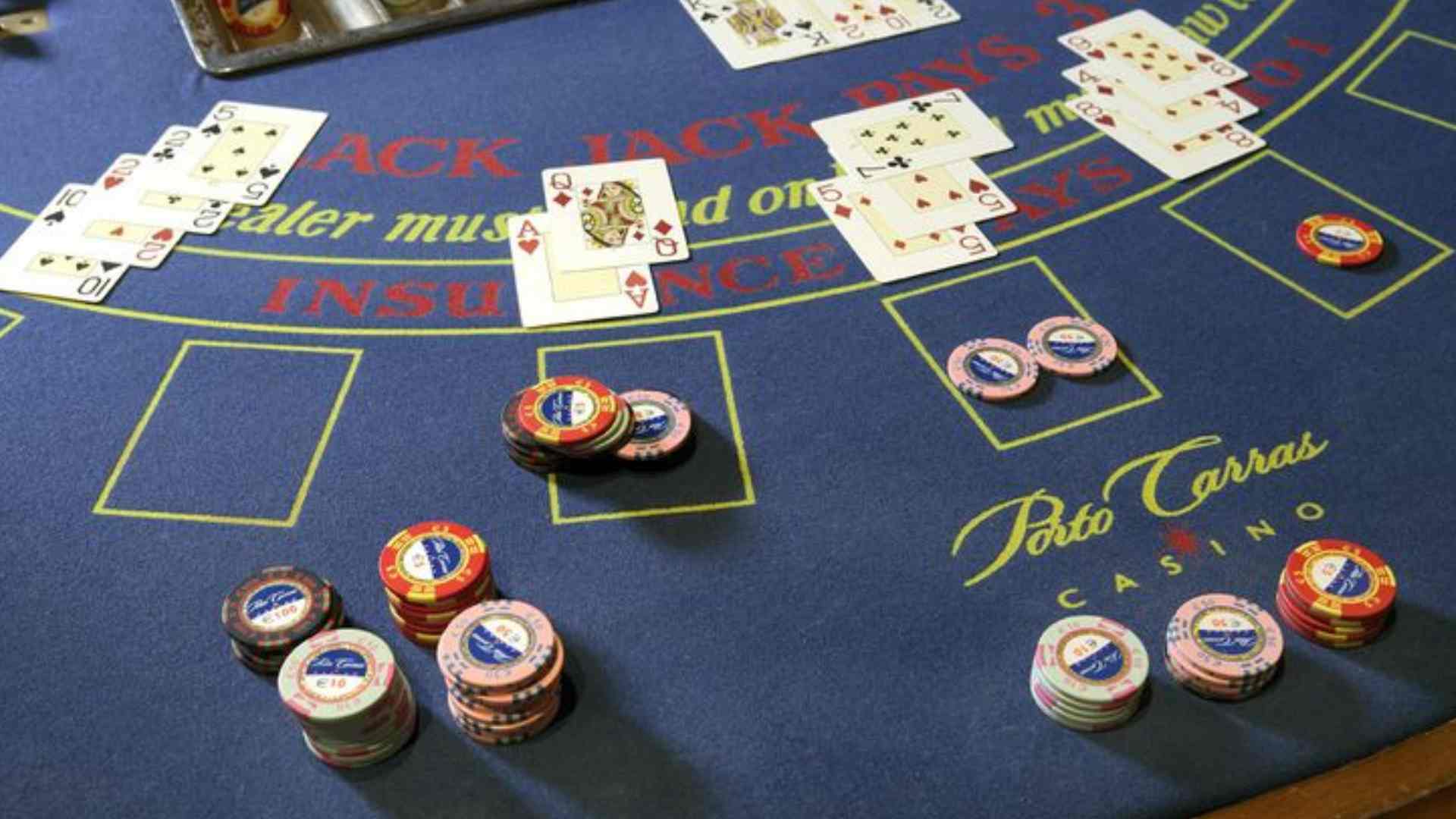
Understanding the Role of Seed Hashes in Verifiable Number Game Draws
20 Nov 2026 News

Understanding the Role of Seed Hashes in Verifiable Number Game Draws

Understanding the Role of Seed Hashes in Verifiable Number Game Draws

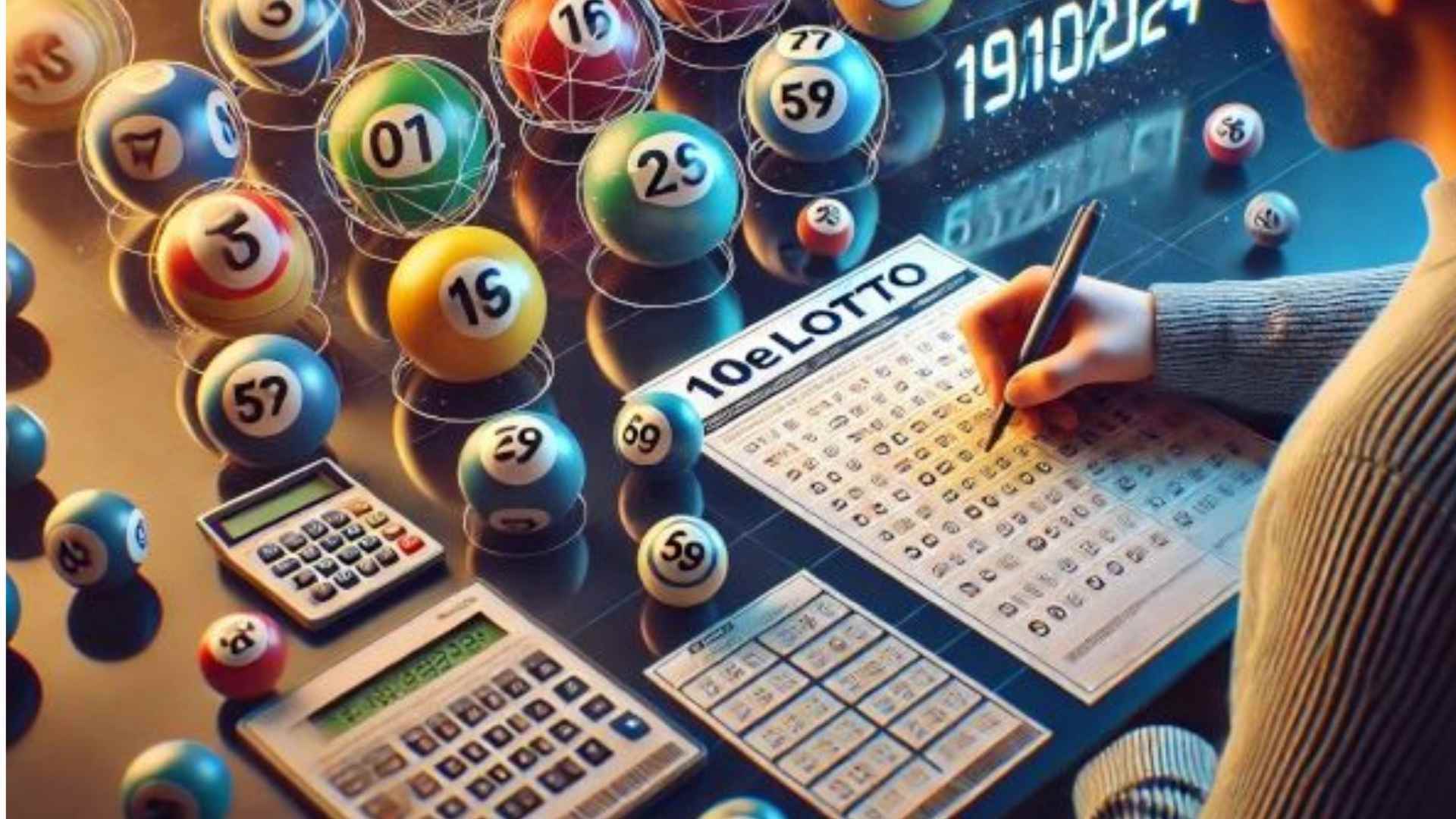
As online gaming platforms continue to modernize, players are increasingly seeking reassurance that digital outcomes are truly random and untampered with. In modern number-based entertainment, cryptographic mechanisms have emerged as the primary tool for building trust between operators and participants. Among these innovations, seed hashes play a foundational role in providing mathematically verifiable draw results that anyone can independently audit.

What Is a Seed Hash in Digital Draws?

A seed hash is a cryptographic representation of an initial data value used to feed random number generators. Before a game round begins, the system generates a random string known as the server seed, which is then transformed into a unique hash using an algorithm such as SHA-256. This process ensures that the underlying seed is fixed prior to player participation, preventing any manipulation during active play.

By publishing the encrypted seed hash before the draw occurs, platforms commit to an outcome that cannot be changed retroactively. Players are provided with an immutable cryptographic fingerprint of the upcoming game round. This commitment forms the core mechanics of provably fair systems in contemporary digital gaming.

How Cryptographic Verification Works in Practice

The verification process relies on combining two distinct pieces of information: the server seed provided by the platform and a client seed provided by the user or browser. When these inputs are combined and processed through an algorithm, they produce the deterministic outcome displayed on the screen. Because the math is completely transparent, players can reconstruct the calculation after the round completes.

Once the draw is finished, the platform reveals the unhashed server seed to the public. Players can then compare the revealed seed against the initial seed hash to confirm that no parameters were altered mid-game. If the hash calculated from the revealed seed matches the original pre-round hash, the absolute integrity of the draw is proven.

Why Seed Hashes Matter for Modern Transparency

Traditional digital draws often operated behind closed proprietary servers, forcing players to trust internal certifications without direct visibility. The introduction of seed hashes shifts this dynamic from blind trust to cryptographic verification. Anyone with basic technical tools or an online verifier can validate their gaming history in real time.

This level of open auditing deters fraudulent operators and encourages responsible platform management. Furthermore, it reassures players that mechanical ball draws simulated by digital software are governed by genuine randomness. Transparency ultimately elevates industry standards across global entertainment platforms.

Best Practices for Players Evaluating Fair Systems

When participating in online number draws, understanding how to read and check hash data adds a layer of confidence. Reliable platforms usually offer built-in verification tools directly within the user interface for effortless auditing. Utilizing these features helps users distinguish between audited, transparent systems and opaque platforms.

Players should always check that the server seed hash is displayed before entering a round or committing choices. Verifying occasional rounds manually ensures that the operator consistently abides by cryptographic fairness standards. Staying informed about basic cryptographic concepts empowers users to make safer, more strategic decisions online.

09
The Time Has Come Meme Origin and Popular Online Uses
20 Nov 2026 News

The Time Has Come Meme Origin and Popular Online Uses

The Time Has Come Meme Origin and Popular Online Uses

Internet culture relies heavily on iconic movie scenes to express universal human experiences and humorous dramatic shifts. The "My Time Has Come" meme has established itself as a timeless reaction image used across social media platforms. Understanding its background helps users appreciate how cinematic storytelling transforms into modern digital humor.

The Cinematic Origin of the Meme

The famous reaction image traces its roots back to the 2008 animated feature film Kung Fu Panda. In this emotional scene, the wise elderly tortoise Master Oogway peacefully ascends into peach blossoms after passing his wisdom to Master Shifu. His final words, declaring that his time has come, provided a poignant cinematic moment that later captured the internet's imagination.

Online communities began isolating the frame featuring Master Oogway surrounded by glowing spirit energy a decade after the film's initial release. The contrast between the serious tone of the original animation and everyday trivial dilemmas sparked its rapid online spread. Digital users quickly realized the image perfectly encapsulated dramatic acceptance of an inevitable fate.

How the Meme Captured Online Popularity

The template gained widespread traction across major social platforms including Reddit, Twitter, and dedicated media sites. Digital creators began modifying the text captions to fit hyper-specific scenarios involving minor inconvenience or sudden defeat. The inherent simplicity of the format allowed online users to rapidly adapt the image for casual sharing.

Much of the meme's staying power stems from its incredible flexibility across different online subcultures. Gamers frequently deploy the template when facing insurmountable odds or preparing for an inevitable character defeat. Students and office workers similarly leverage the image to humorously acknowledge looming assignment deadlines and heavy workloads.

Common Variations and Creative Adaptations

Over time, internet users expanded the template beyond basic text overlays by editing the visual components. Digital artists frequently replace the original character with figures from video games, anime, or historical events. These visual edits often feature custom background lighting and exaggerated special effects to heighten the comedic drama.

Short-form video platforms have further modernized the joke for contemporary audiences. Content creators regularly combine the audio snippet with dramatic slow-motion clips of minor everyday accidents. This dynamic adaptation keeps the core joke engaging for new waves of social media users.

Why the Meme Remains Relevant Today

The lasting popularity of this reaction format highlights how digital communities transform shared stresses into lighthearted bonding moments. By recasting feelings of defeat into dramatic comedy, people easily connect through shared human experiences. As online trends continue to evolve, this classic phrase remains a staple of internet humor.

10
Mengenal Ciri Khas Pemain yang Sulit Dikalahkan di Babak Perpanjangan Poin
06 Nov 2026 News

Mengenal Ciri Khas Pemain yang Sulit Dikalahkan di Babak Perpanjangan Poin

Mengenal Ciri Khas Pemain yang Sulit Dikalahkan di Babak Perpanjangan Poin

Pertandingan bulu tangkis sering kali mencapai tensi tertinggi ketika skor berimbang di angka 20-20 dan memasuki babak perpanjangan poin atau setting. Pada situasi yang penuh tekanan ini, faktor teknis dan mental diuji hingga batas maksimal. Pemain tangguh biasanya menunjukkan karakteristik khusus yang membuat mereka mampu mengamankan poin-poin kritis tersebut secara konsisten.

Ketenangan Mental di Bawah Tekanan Tinggi

Pemain yang sulit dikalahkan saat perpanjangan poin selalu memiliki kontrol emosi yang luar biasa. Mereka tidak terburu-buru melakukan eksekusi serangan berbahaya yang berisiko menghasilkan unforced error. Ketenangan pikiran memungkinkan atlet membaca pola permainan lawan dengan lebih cerdik di momen-momen krusial.

Fokus penuh pada setiap pukulan membantu mereka meminimalisir kesalahan mendasar yang sering terjadi akibat gugup. Kepercayaan diri tinggi yang dibangun dari pengalaman bertanding menjadi modal utama untuk tetap tenang di saat genting.

Presisi Akurasi Pukulan di Momen Kritis

Saat situasi setting berlangsung, tingkat akurasi penempatan kok menjadi faktor pembeda yang sangat nyata. Pebulu tangkis unggulan cenderung memilih pukulan yang aman namun tetap menekan area lemah lawan. Penempatan kok yang presisi memaksa lawan melakukan pengembalian yang kurang sempurna.

Penggemar bulu tangkis yang ingin mengikuti analisis olahraga terkini dapat mengakses m88 login untuk memperoleh pembaruan data secara komprehensif. Informasi mendalam mengenai performa atlet sangat berguna untuk memahami taktik bertanding di lapangan. Hal ini membantu penggemar menikmati jalannya laga dengan sudut pandang yang lebih analitis.

Variasi Servis dan Pengembalian yang Sulit Ditebak

Servis pada babak perpanjangan poin memegang peranan sangat vital karena dapat langsung menentukan alur reli. Pemain berpengalaman sering memanfaatkan variasi tipis pada servis pendek maupun flick service untuk mengejutkan lawan. Keberanian mengambil keputusan taktis ini kerap menghasilkan poin cepat tanpa reli panjang.

Selain servis, pengembalian servis yang agresif dan terarah juga menekan mental lawan sejak awal. Dengan membatasi opsi serangan lawan, kontrol permainan dapat dipegang sepenuhnya hingga reli berakhir.

Ketahanan Fisik dan Stamina yang Tetap Stabil

Perpanjangan poin membutuhkan stamina ekstra setelah menjalani reli panjang yang melelahkan sepanjang gim. Atlet yang memiliki kondisi fisik optimal mampu mempertahankan kualitas pukulan serta kecepatan langkah kaki tanpa mengalami penurunan daya tahan. Efisiensi pergerakan di lapangan membuat mereka tidak cepat lelah di poin-poin akhir.

Daya tahan tubuh yang stabil mendukung konsentrasi agar tidak mudah pecah menjelang akhir laga. Kombinasi fisik dan mental yang prima inilah yang menjadikan seorang pemain sangat sulit ditundukkan pada masa deuce.

Kesimpulan Karakteristik Pemain Tangguh

Kemenangan pada babak perpanjangan poin bukanlah hasil dari keberuntungan semata, melainkan buah dari mentalitas, akurasi, dan ketahanan fisik. Karakteristik khas ini membentuk profil atlet yang siap menghadapi situasi paling menegangkan di lapangan. Memahami faktor-faktor tersebut memberikan wawasan berharga dalam mengamati dinamika pertandingan bulu tangkis tingkat tinggi.