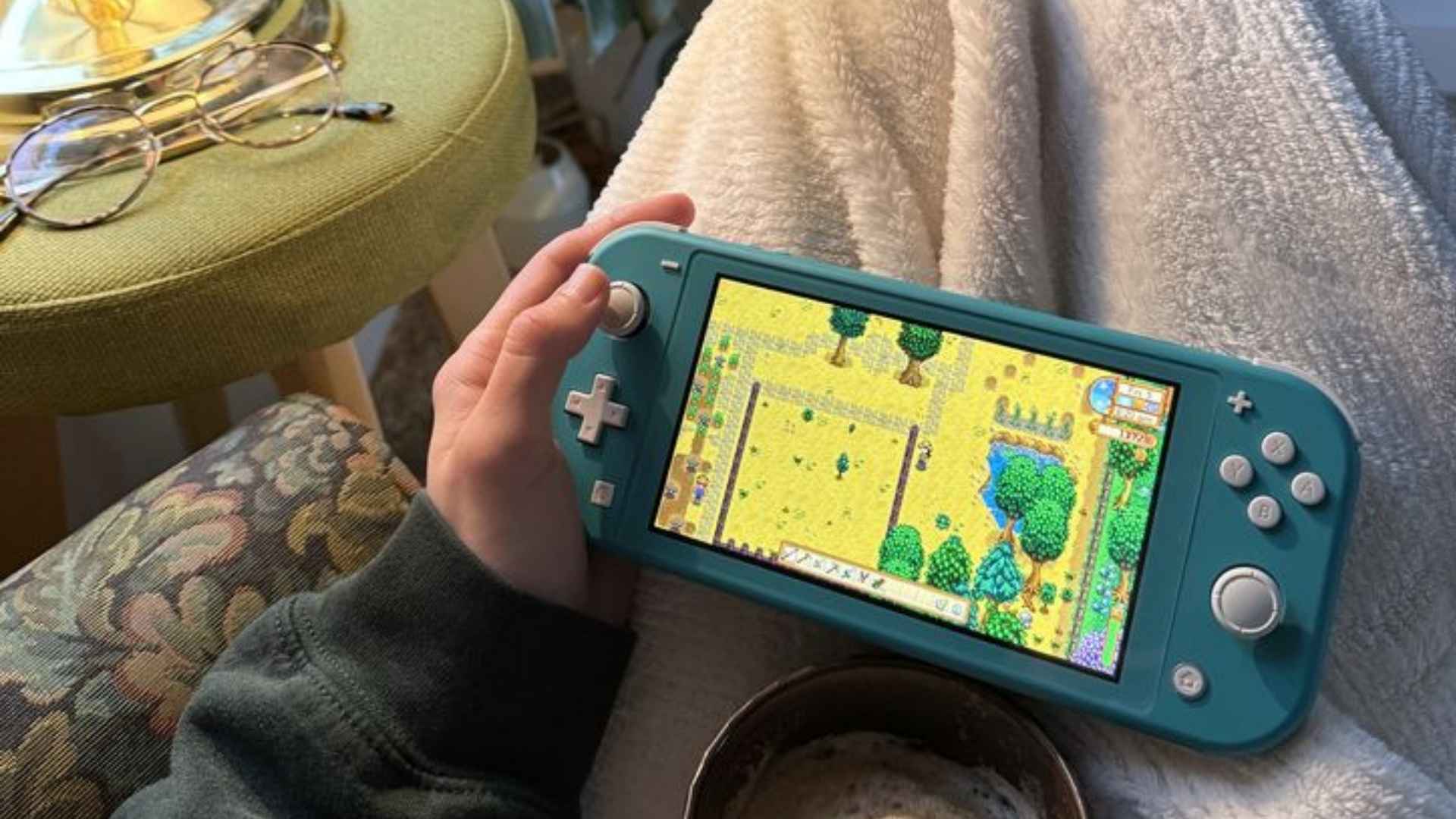
The global casual gaming market has experienced a significant paradigm shift as traditional paper formats transition into highly immersive virtual environments. Modern digital scratch cards have moved far beyond their simple retail origins, combining instant feedback with sophisticated interactive designs. These ongoing innovations ensure that the classic instant-win concept remains relevant for contemporary tech-savvy audiences.
The Evolution of Sensory Enhancements
Modern online scratch cards utilize advanced graphical rendering to captivate players right from their very first interaction. Instead of static symbols and flat color palettes, developers now integrate high-definition thematic backgrounds and realistic reveal animations. Dynamic audio cues further heighten the sense of anticipation as hidden layers are uncovered digitally.
These aesthetic improvements transform a straightforward chance-based activity into an engaging multimedia experience. Software creators constantly push boundaries to ensure that visual layouts adjust seamlessly to various screen sizes. This focus on premium presentation helps maintain user interest across diverse demographic groups.
Interactive Mechanics and Structural Variations
Technology has allowed game designers to move past the simple matching criteria that defined traditional cardboard tickets. Contemporary digital versions frequently incorporate secondary bonus games, prize multipliers, and interactive choices that influence the visual narrative. These sophisticated mechanics add extra layers of depth, making every round feel unique and distinct.
Furthermore, specialized platforms provide streamlined access to these modern configurations while ensuring a consistent user experience. Exploring premium interactive titles through recognized hubs like M88bet allows enthusiasts to sample diverse themes safely. Having access to multiple structural variants helps players find options that align perfectly with their specific leisure preferences.
Algorithmic Integrity and Trust Architecture
A primary benefit of moving to digital infrastructure is the implementation of robust security protocols and provable fairness. Virtual scratch cards rely on certified Random Number Generators to guarantee that every single outcome is completely unbiased. This computational framework ensures a level of transparency that physical distribution networks find difficult to match.
Most modern gaming software displays key performance statistics directly within the user interface for public review. This open sharing of architectural data builds consumer trust and encourages responsible interaction with the software. Understanding the underlying mathematical frameworks helps participants establish realistic expectations before they begin playing.
Mobile Convenience and Interface Optimization
The widespread adoption of smartphone technology has fundamentally changed how people integrate casual amusement into their daily schedules. Modern digital options feature intuitive user interfaces designed specifically for mobile touchscreens and responsive hand gestures. This portable configuration allows players to enjoy brief entertainment sessions during short breaks throughout the day.
Cloud connectivity also ensures that account progress and game histories remain perfectly synchronized across multiple electronic devices. Minimal loading times and low hardware requirements make these digital games accessible to a massive global audience. As mobile networks continue to evolve, the convenience of these instant-win experiences will only increase.
The Future Landscape of Instant Games
As emerging technologies like virtual reality and artificial intelligence mature, the potential for further innovation expands dramatically. Future iterations of digital scratch cards may include personalized thematic elements tailored to individual player histories. This ongoing technological trajectory promises to keep the instant-win genre at the forefront of casual digital entertainment.